
As someone who’s been observing Ghana’s construction boom for years, I’ve seen how the cement industry can make or break our buildings, literally. With housing projects sprouting up everywhere and infrastructure needs skyrocketing, the last thing we need is unauthorised cement sneaking into the market, potentially compromising safety and quality.
Yet, that’s exactly the concern swirling around certain Togo-sourced imports. In a sector already plagued by substandard products and regulatory loopholes, the quiet entry of these imports raises red flags: Are they fully authorised under our strict rules, and how do we ensure they’re not contributing to the growing wave of quality malpractices? Let’s unpack this, because our homes and bridges depend on it, especially with regulations like the Export and Import (Restrictions on Importation of Portland Cement) Regulations, 2016 (L.I. 2240) in place, which prohibit the importation of finished cement without proper licensing and aim to protect local markets from unfair competition and inferior products.
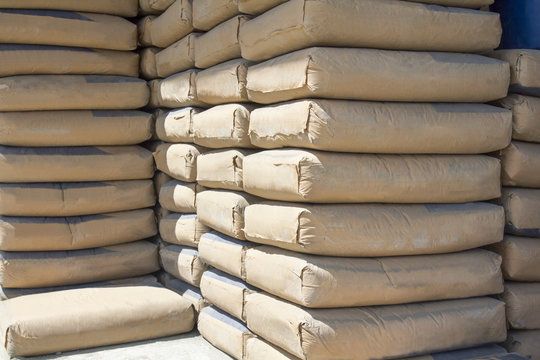
First off, these imports aren’t strangers to the region, they’re produced at grinding plants in neighbouring countries. When they arrive in Ghana, a distributor handles the importation, often trucking 50-kilogramme bags across the border or through ports, then doing light before distribution.
This isn’t local manufacturing; it’s an import model that keeps prices low but invites intense scrutiny under our import regulations, particularly since L.I. 2240 mandates permit, inspections, and licensing to curb unauthorised entries and support domestic producers.
Ghana has clear rules on cement imports to safeguard the market, and L.I. 2240 stands out as a key prohibition on unauthorised commercial importation of Portland cement. Enacted to prevent unfair trade practices and bolster local industry, it establishes an import licensing system where every shipment must be covered by a permit, with inspections by authorised officers to verify compliance.
But, with these bags flooding in as part of Ghana’s broader imports from Togo valued at millions, questions arise: Have the necessary licenses been secured, or are operations in a grey area? Trade data shows steady inflows, but public records don’t highlight specific authorisations, leaving room for doubt in a market where “illegal” imports have long been a sore point for local manufacturers.
This isn’t just about paperwork; it’s deeply tied to rampant product quality malpractices that have shaken the industry in 2025. The Ghana Standards Authority (GSA) has been on a warpath against substandard cement, shutting down factories for using inferior substitutes like quarry dust instead of limestone, a key ingredient for strength and durability. In March 2025, Trade Minister Elizabeth Ofosu-Adjare ordered the GSA to close all companies producing subpar products, following alarming data from a stakeholder meeting on March 5. By July, the crackdown intensified: 300 inspectors were deployed, 82 samples tested in April alone, and more surveillance from May 6-15 verified compositions. Factories like Xin An Safe, Kumasi Cement, and Unicem faced shutdowns, with warnings that any firm distributing substandard cement would be sanctioned.
Even established brands aren’t immune. Dzata Cement recently warned about fake products being rebagged with inferior cement, highlighting how malpractices extend to counterfeiting. And with Ghana’s new cement regulations effective in 2024, requiring re-registration and licensing for all operations, unlicensed or unauthorised imports could slip through cracks, bypassing rigorous local testing. The bagging model for these imports, while efficient, means the core production happens in neighbouring countries, potentially under different standards. Does the GSA routinely test them for strength, composition, and safety? Amid clinker shortages and dollar surges, Ghana’s a major clinker importer, cheaper imports might tempt shortcuts, but at what risk, especially when L.I. 2240 is designed to prevent such vulnerabilities?
These malpractices aren’t abstract; they spark alarms over building safety, with substandard cement linked to collapses and structural failures. As Ghana pushes for durable construction under guidelines such as the GSA’s 2025 handbook on safe cement use, allowing potentially unauthorised imports undermines that.
If these imports are fully compliant, great; transparency would reassure everyone. But the lack of public audits or statements on them, especially amid 2025’s crackdowns, feels like an oversight. Builders, masons, consumers, and policymakers: We need the GSA and Ministry to investigate and clarify. Quality and affordable cement are welcome, but not if it comes with possible hidden dangers. Let’s demand accountability before a quality crisis turns into a catastrophe.
The author is Ebenezer Osei, Media and Marketing Specialist.
