
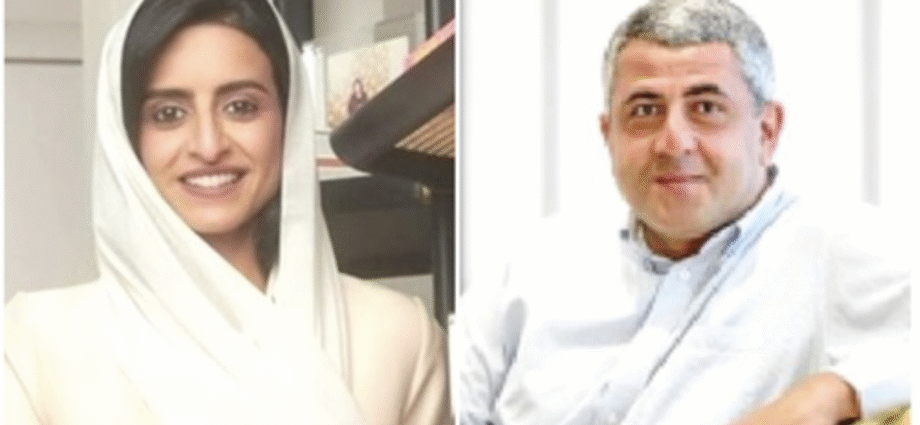
This week, the global tourism community has turned its gaze to Riyadh, Saudi Arabia, where the 26th UN Tourism General Assembly is underway. Delegates from across the world have converged to assess the state of the industry, debate its future direction, and, perhaps most symbolically, to witness the final assembly under Zurab Pololikashvili’s leadership as Secretary-General.
For the host nation, the assembly represents both prestige and proof of progress.
In just a few years, Saudi Arabia has repositioned itself as a global tourism player, investing heavily in infrastructure, destination branding and international partnerships.
For UN Tourism, this assembly marks a moment of both reflection and renewal – the culmination of one chapter and the quiet beginning of another.
Zurab’s legacy
When Zurab Pololikashvili took office in 2018, the global tourism landscape looked very different. International travel was booming, digital transformation was accelerating, and the conversation around sustainability was only beginning to gather pace.
Few could have imagined that within two years, a pandemic would halt the movement of people and paralyse the industry that employs one in ten workers worldwide.
It was during those difficult years that Zurab’s calm, pragmatic leadership came to define his tenure.
He steered the organisation – then known as the UN World Tourism Organisation (UNWTO) – through unprecedented disruption, coordinating global recovery efforts and working closely with governments and private stakeholders to rebuild confidence in travel.
Under his leadership, UN Tourism has focused on rebuilding smarter and more inclusively.
The organisation championed innovation, education, and partnerships as tools to drive recovery and resilience.
One of Zurab’s most visible achievements was the rebranding from UNWTO to UN Tourism in 2024, a move that simplified the brand identity and made the organisation more accessible and relevant to the broader public.
He also deepened engagement with regional blocs, especially in Africa, where his tenure saw increased technical cooperation, ministerial roundtables and the promotion of youth and innovation initiatives.
Zurab has often described Africa as the “next frontier of global tourism,” and his administration’s outreach to the continent underscored that belief.
New face, new phase
The Riyadh Assembly comes just six months after the Executive Council meeting in Segovia, Spain, where Shaikha Al Nowais of the United Arab Emirates was nominated as the next Secretary-General, pending ratification by the General Assembly.
If confirmed, she will become the first woman to lead the organisation in its 50-year history – a milestone that symbolises both progress and possibility.
Shaikha Al Nowais’s nomination signals a generational and professional shift.
Coming from the private sector, where she built a career in hospitality and corporate leadership, she brings a different perspective to the role—one rooted in innovation, empowerment, and results-driven management.
Her campaign focused on sustainability, inclusion, and investment, pledging to strengthen regional cooperation and ensure that the benefits of tourism reach communities at all levels.
Her appointment, if confirmed, will coincide with a period of transformation for global tourism.
The sector is navigating new realities shaped by technology, environmental urgency, sustainability, and evolving traveller expectations.
